



Tracing the global spread of AIDS









Where did HIV come from?
The first verified case of HIV is from a blood sample taken in 1959 from a man living in what is now Kinshasa in the Democratic Republic of Congo.
Using the earliest known sample of HIV, scientists have been able to create a 'family-tree' ancestry of HIV transmission, allowing them to discover where HIV started.
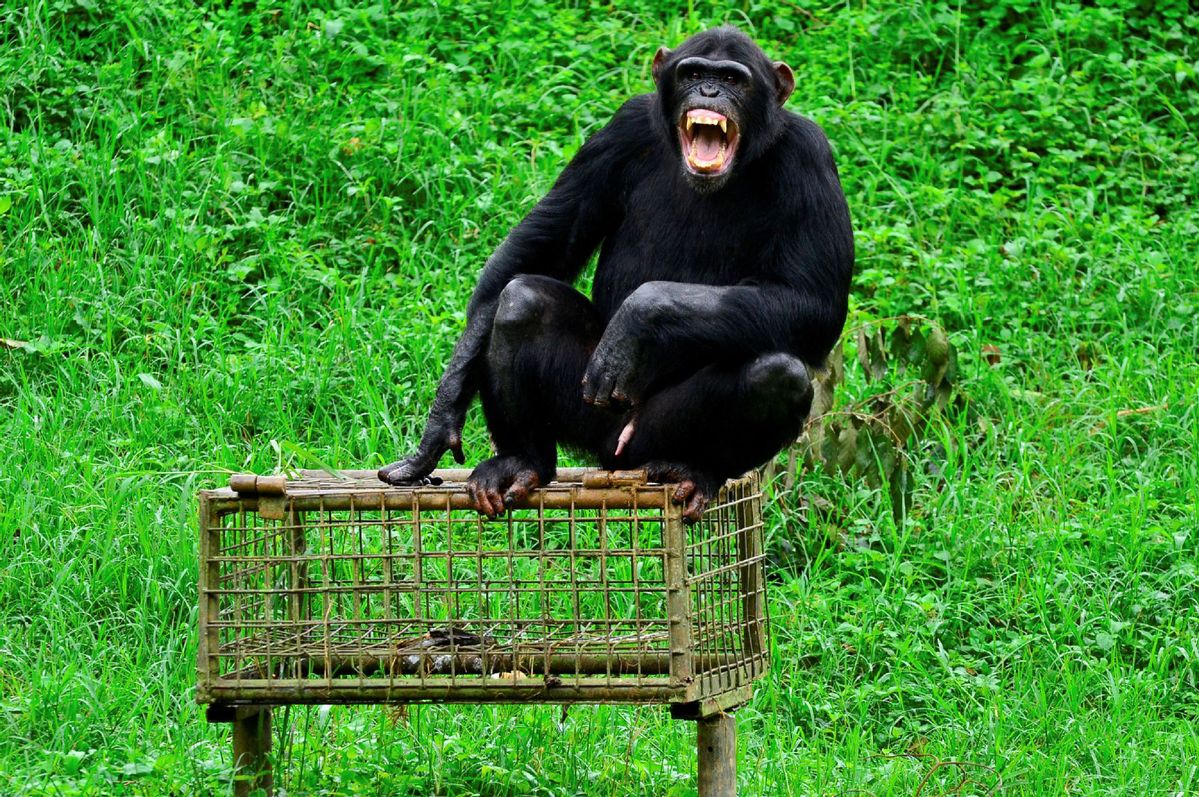
Researchers believe HIV crossed from chimps to humans in the 1920s in what is now the Democratic Republic of Congo. This was probably as a result of chimpanzees carrying the Simian Immunodeficiency Virus (SIV), a virus closely related to HIV, being hunted and eaten by people living in the area.
In 1999, researchers found a strain of SIV (called SIVcpz) in a chimpanzee that was almost identical to HIV in humans.
Chimps, the scientists later discovered, hunt and eat two smaller species of monkey – red-capped mangabeys and greater spot-nosed monkeys – that carried and infected the chimps with two strains of SIV. These two strains likely combined to form SIVcpz, which can spread between chimpanzees and humans.
SIVcpz likely jumped to humans when hunters in Africa ate infected chimps, or when the chimps' infected blood entered the cuts or wounds of hunters.





- The Olympic spirit: a guiding light in everyday life
- Ambassadors promote China-Africa cooperation at lecture tour in Shanxi
- China's poverty alleviation achievements continuously consolidated, expanded in 2025
- China achieves key results in 10-year fishing ban on Yangtze River
- Line 4 of Fuzhou Metro begins operation
- Taiwan people pick 'dismiss' as most representative word of 2025