


Cooling sustainably
Sharing renewable energy sources key to dealing with rising heat: Scientist









Editor's note: In this weekly feature China Daily gives voice to Asia and its people. The stories presented come mainly from the Asia News Network (ANN), of which China Daily is among its 20 leading titles.
Sharing renewable energy will be key to Southeast Asia's ability to deal with deadly heat without driving up planet-warming carbon emissions, climate scientist Winston Chow said.
Those in the region who work outdoors or live in informal settlements like slums are most at risk of suffering from rising temperatures, the co-chair of the working group of the UN's Intergovernmental Panel on Climate Change for climate impacts, adaptation and vulnerability told the media on the second day of COP30.
His comments came after 185 cities, including Singapore, committed to localizing efforts to make cooling more accessible and less polluting.
Cooling can be unsustainable when it uses electricity generated from fossil fuels, which contribute to emissions. Some refrigerants that used cooling devices are also powerful greenhouse gases.
The United Nations Environment Programme report on Nov 11 warned that demand for cooling is projected to triple by 2050 because of rising temperatures, growing population, and increased access to inefficient cooling systems.
Left unchecked, emissions from cooling could nearly double, overwhelming power grids and putting climate goals out of reach, the report found.
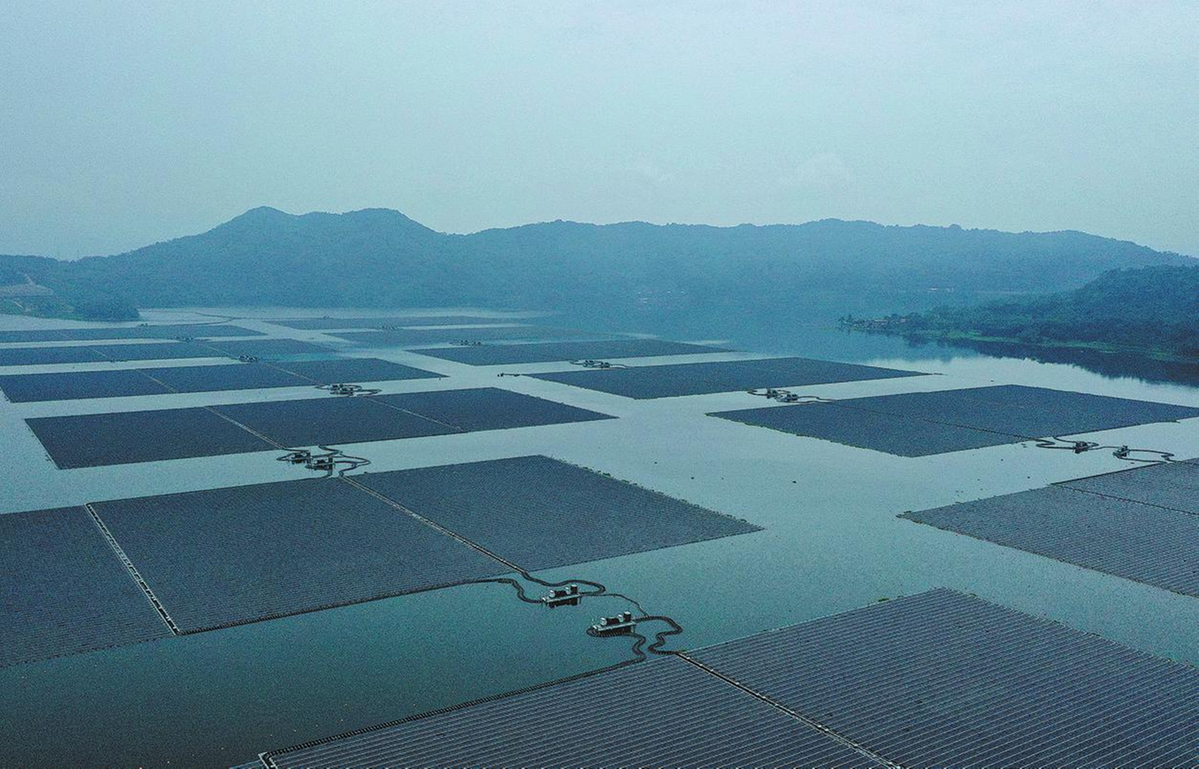
"The challenge for most of Southeast Asia is that we are still starved in terms of the access to renewable energies," said Chow, noting the region lacks rich solar, wind and hydropower resources.
"Some parts of Southeast Asia have that (renewable energy sources) more than others. Therefore, that speaks of the importance of an ASEAN renewable grid, which hopefully will be in the works."
ASEAN is aiming to build an interconnected power grid by 2045 that will ensure a more affordable and reliable supply of electricity for its member states.
Notwithstanding the challenge of decarbonizing the grid's electricity supply, Chow, who is Singapore Management University's professor of urban climate, said the tropical region has great access to climate solutions that harness the power of natural ecosystems, which the UNEP report highlighted as key priority to ensure sustainable cooling.
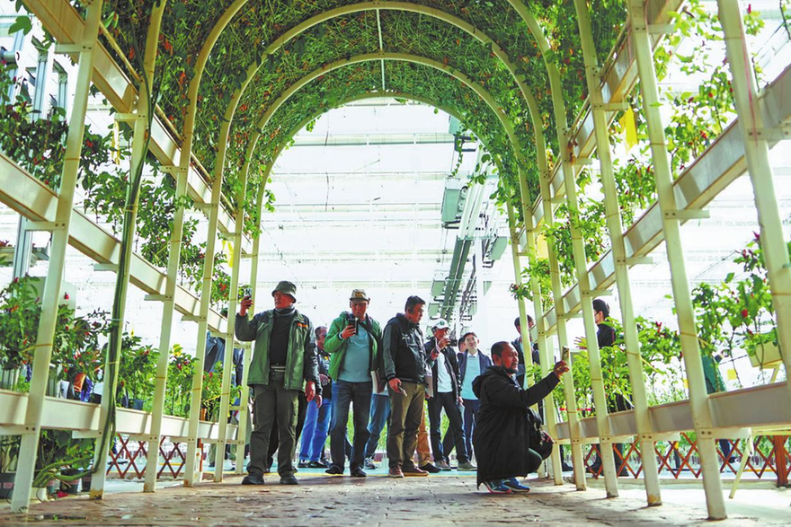
These nature-based solutions include community gardens, street greenery and urban agriculture, which not only naturally cool the environment, but also offer other co-benefits such as siphoning carbon emissions from the atmosphere.
Chow lauded the report for finding ways to reduce risks for the vulnerable populations living in the most heat-stressed areas in the tropics, which encompass both Southeast Asia and the Brazilian city of Belem, where the COP30 climate talks were held. Heat stress happens when the body cannot cool itself down.
In Southeast Asia, those who work outdoors or live in informal settlements like slums do not have access to cooling technology and green spaces, he said.
Should countries act on the recommendations of the report, its cooling measures could expand access by 2050 to about 3 billion people at risk as they lack the means to deal with extreme heat.
Echoing the report, Chow said the cooling measures that adapt to rising heat must also deal with the cause of rising temperatures.
He added: "On the emissions side, as we know, climate change is from greenhouse gas emissions and also from deforestation.
"You can't just use air conditioning without realizing that most of the air conditioning is powered by fossil fuels."
A recent study found that more people in densely populated Southeast Asia are dying from heat worsened by deforestation than in the Congo or Amazon rainforests, despite losing a smaller total area of forest than in the Americas.
Annually in Southeast Asia, about 15,680 rural residents die of heat-related complications worsened by deforestation, compared with 9,890 for the tropical regions of Africa and 2,520 for the Americas.
Minister for Sustainability and the Environment Grace Fu said on Nov 11 that Singapore plans to share its technical expertise and experience in sustainable cooling and urban heat resilience with those on board the cooling initiative helmed by the COP30 Brazilian presidency and the UNEP.
Surrounded by passersby mopping sweat off themselves in the sticky heat of the COP30 venue, Chow said the initiative will build on momentum for more to join the movement toward cooling sustainably, which relies on cooperation across communities, sectors and governments.
He said: "For every incremental increase in temperatures and global surface temperatures, the risk will become more apparent, and hopefully, that danger and hazard to everyone on this planet will be the impetus for more concerted action across communities."
The Straits Times, Singapore