


Listening before time runs out
Memories of World War II veterans demonstrate the importance of oral history, Zhao Xu reports.









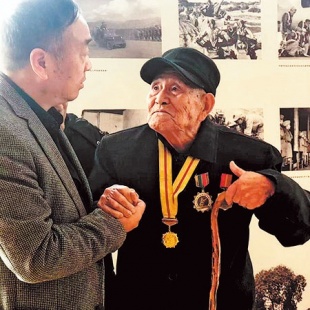
In 2010 came another landmark: the 32-episode documentary My War of Resistance, which placed the voices of over 600 WWII veterans — most now gone — at the heart of the narrative, prioritizing their experiences over those of commanders and generals.
"My own interviews with the veterans, though conducted for a separate project, grew out of that same tradition," Lin says. "Together with those accounts, more than 3,000 additional oral history recordings formed the core collection on which the Communication University of China's Center for Oral History was built. Today, it ranks among the world's biggest oral history archives."
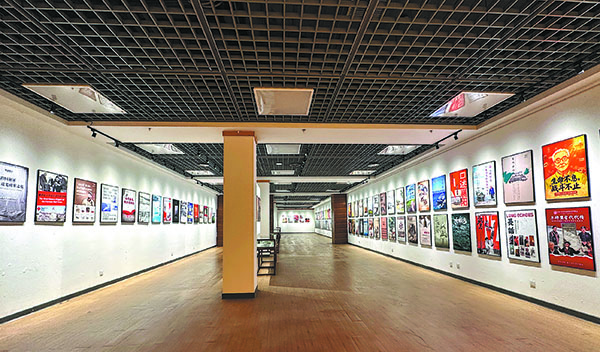
In 2015, Lin helped the center launch the China International Exhibition of Oral History, setting up a platform for exchange for people who rely on their "care and curiosity, patience and perseverance to accumulate materials that may one day illuminate forgotten lives and overlooked histories".
"Oral history is a long-term endeavor — the true value of an interview may surface only decades later, when those who shared their memories are gone. This delayed significance demands vision and dedication from everyone involved," Lin says.
She praises the "grinding, methodical, yet absorbing work" of the transcription and verification team behind every oral history project — a group that spends hundreds, sometimes thousands, of hours converting audio or video interviews into text without ever meeting the narrators.
"These specialists bring historical knowledge to their work: at times, a transcriber may flag and verify statements that a narrator sincerely believes to be true, but that do not align with established historical facts," she adds. "On such occasions, discrepancies are carefully annotated to prevent future misinterpretations."
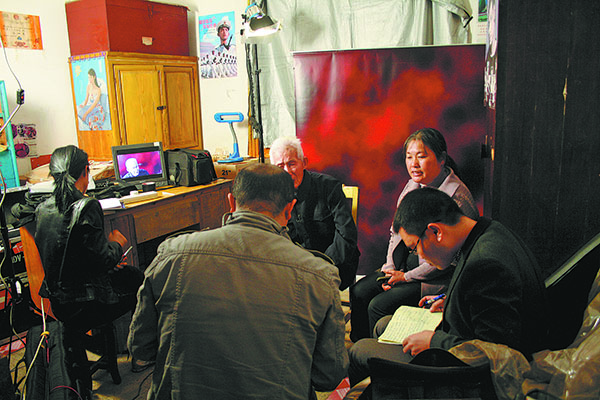
Yet the work of oral historians goes even further, Lin notes. "Alessandro Portelli, an internationally renowned Italian scholar of oral history and literature, has argued that what people misremember — or even 'lie' about — can reveal deeper truths. Oral history is not only about factual accuracy but also about understanding how individuals perceive, interpret, and give meaning to their experiences. In this sense, the discrepancies and contradictions in a person's account often expose emotions, social memory, values, and subjective truths that official records cannot capture," she says.
"Reflection — that is the soul of oral history, a distant mirror to the past, faint in detail but profound in insight."