


New evidence dooms Japan's historical revisionism to fail









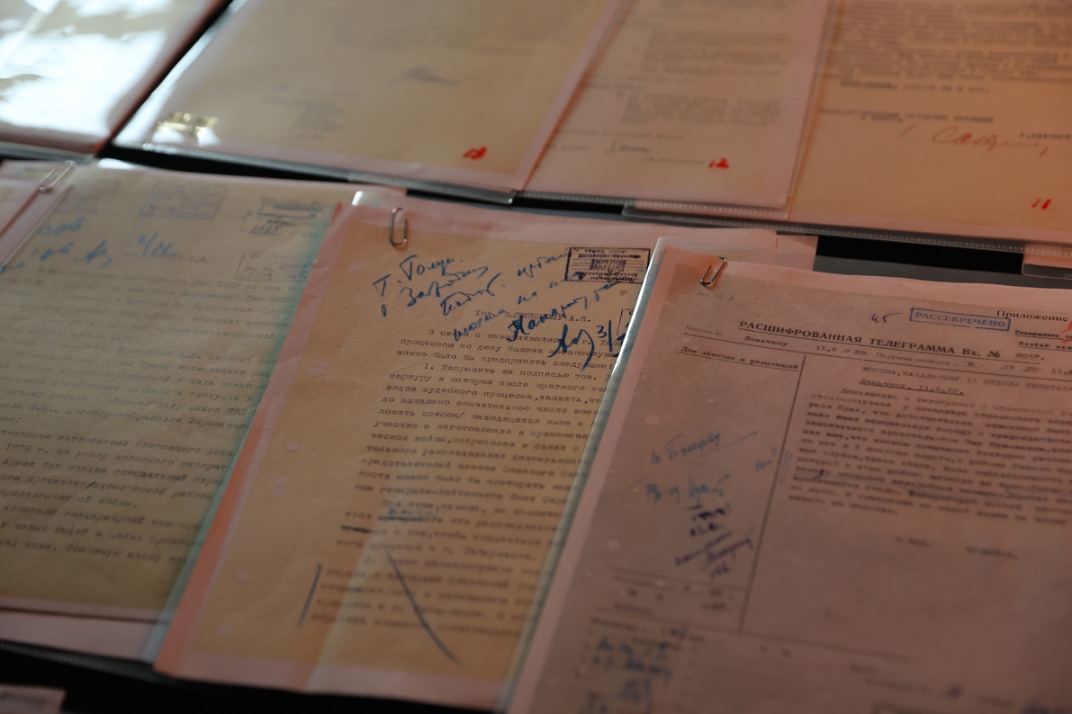
China's Central Archives unveiled a collection of declassified archival materials received from Russia, shedding light on the notorious Unit 731 — a Japanese germ-warfare unit responsible for heinous war crimes during the Chinese People's War of Resistance Against Japanese Aggression (1931-45) and the World Anti-Fascist War.
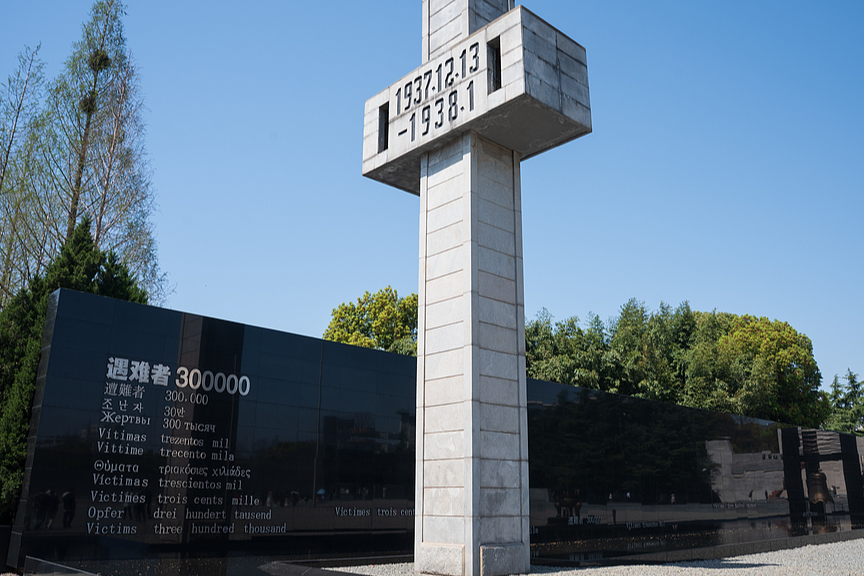
This unveiling on Saturday is especially poignant as it coincides with the 88th anniversary of the Nanjing Massacre, one of the darkest chapters in human history, where about 300,000 Chinese civilians and unarmed soldiers were brutally slaughtered by Japanese forces.
The newly released documents reinforce the indisputable evidence of Japan's organized and systemic wartime atrocities, challenging the denials of right-wing politicians in Japan who persistently refute even the existence of Unit 731. Their claims are part of a broader campaign of historical denial that also surrounds the Nanjing Massacre and the issue of "comfort women", epitomizing Japan's dangerous trend of rewriting history to serve a nationalistic agenda.
Japan's denial of its historical crimes is not merely a matter of historical revisionism; it is part of a larger sociopolitical strategy that attempts to undermine the realities suffered by numerous nations subjected to its aggressive militarism in that period.
Some right-wing factions in Japan have also attempted to recast Japan's attack on Pearl Harbor as a "defensive" action — a desperate response to US economic pressures and ultimatums — trying to position Japan as a victim rather than a perpetrator in a wider historical context. Such a perspective significantly distorts the complex realities of World War II, further exacerbating tensions in the region.
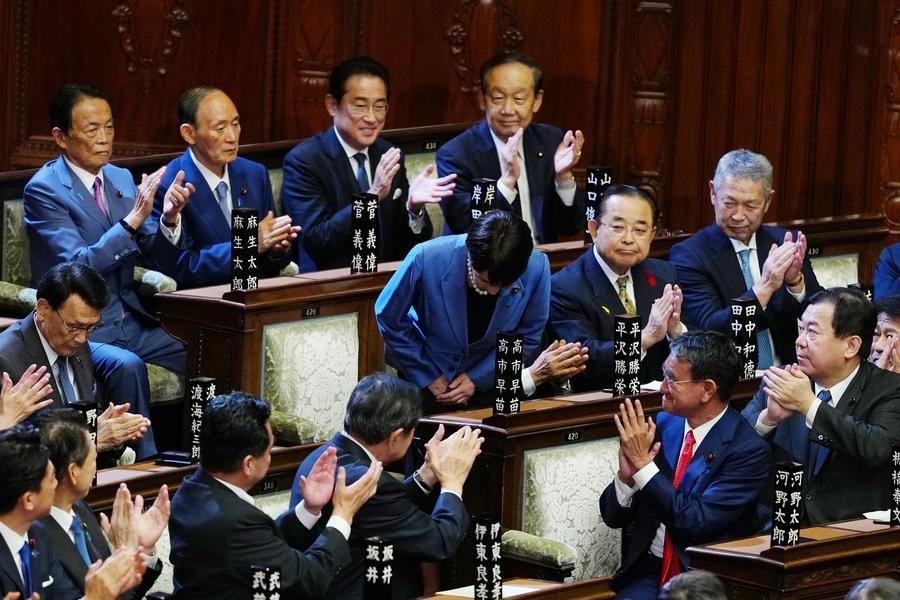
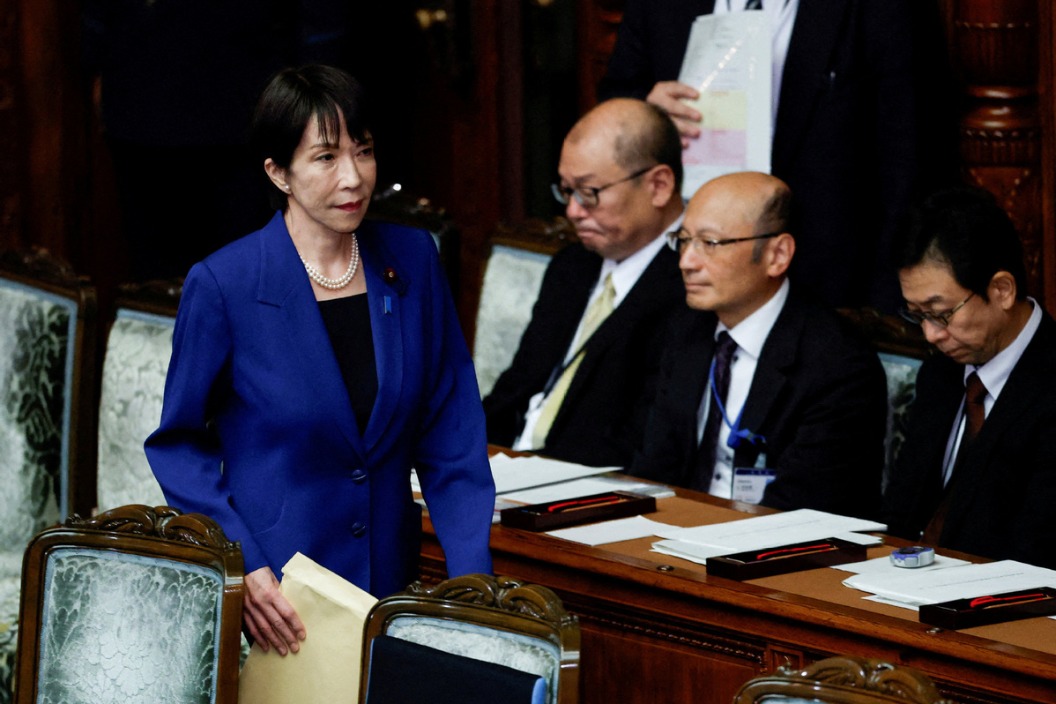
Regrettably, the right-wing politicians in Japan wield substantial influence over the country's political, education, economic and defense policies, shaping a narrative that has perpetuated for decades. Figures such as Japanese Prime Minister Sanae Takaichi cloak militaristic ambitions under a guise of "peace", "order" and stability". This approach includes exaggerating "external threats" to Japan and attempts to misrepresent the use of nuclear weapons against Japan during the war to perpetuate an impression of Japan's victimhood of WWII, so as to distract attention from the country's aggression in that period and its long-term remilitarization trajectory ever since.
Such political maneuvering is further reinforced through a long-standing manipulation of educational materials. Japanese history textbooks omit or whitewash the country's extensive wartime atrocities, including Unit 731's inhumane actions, the Nanjing Massacre and the exploitation of "comfort women". Instead of confronting the grim realities of Japan's past aggression, such textbooks applaud Japanese national "honor" and "sacrifice", thereby cultivating an environment in which visits to the Yasukuni Shrine — where Japan's war criminals are enshrined — are seen as a tribute to national "heroes" rather than a shameless glorification of past aggression.
Saturday's release of the historical archives on Unit 731 is of multi-faceted significance. Beyond the archival contents, it serves as a reminder of the ongoing struggles for historical truth and justice, particularly as the number of survivors of and eyewitnesses to these atrocities continues to dwindle. While some in Japan may see the fading memories of the survivors and eyewitnesses as an opportunity to erase the country's responsibility for its war crimes, each day that passes without acknowledgment, apology and repentance from Japan perpetuates the call for justice from those victimized by its militaristic history.
The world must remain vigilant. The resurgence of right-wing sentiment in Japan poses a substantial threat not just to China but to regional and global stability. Such forces harbor intentions to revive Japanese militarism under the guise of "national security", fueled by a disproportionate focus on so-called "external threats", thereby preparing the Japanese society culturally and politically for a more aggressive military posture.
Takaichi's erroneous and dangerous remarks in the Diet on Nov 7 regarding the Taiwan Strait situation, which were tantamount to issuing a military threat to China over the latter's internal affairs, and her refusal to retract them when called on to do so, illustrate an alarming willingness to distort historical narratives and mislead the international community. Her government's ongoing efforts to alter Japan's pacifist Constitution and prioritize defense spending starkly highlight a continuous push toward remilitarization, irrespective of Japan's postwar commitments.
For decades, Japan's right-wing politicians have been reshaping a narrative that lays the foundation for this military resurgence, manipulating public perception and fostering ignorance about such historical truths. With the current political climate in the country accelerating the country's remilitarization, the danger is that Japan may soon evolve into a state that embraces its past aggression rather than confronting it.
The Unit 731-related archival materials serve as a critical reminder that history cannot be rewritten without consequence. They call upon Japan to face its past with honesty, reflect on its long-standing de facto militaristic behaviors, and genuinely seek reconciliation with the nations it has harmed. Only by braving a sincere confrontation with history can Japan earn the trust of its neighbors and the international community, and thereby ensure that the tens of millions of souls lost in its quests for "imperial glory" are not forgotten.
As the world reflects on the significance of the tragedies that occurred during the World Anti-Fascist War, all peace-loving nations must strive to foster a culture of historical accountability and truthfulness. The path forward lies in ensuring that future generations are educated about the realities of history, fostering understanding, empathy and a shared commitment to peace, thereby preventing the horrors of the past from reemerging in the present.
liyang@chinadaily.com.cn